Bintan is more than beaches and resorts. It sits on historic maritime routes and carries the cultural imprint of Malay kingdoms, Chinese traders, and the everyday life of coastal communities that still shape the island today.
A strategic island in history
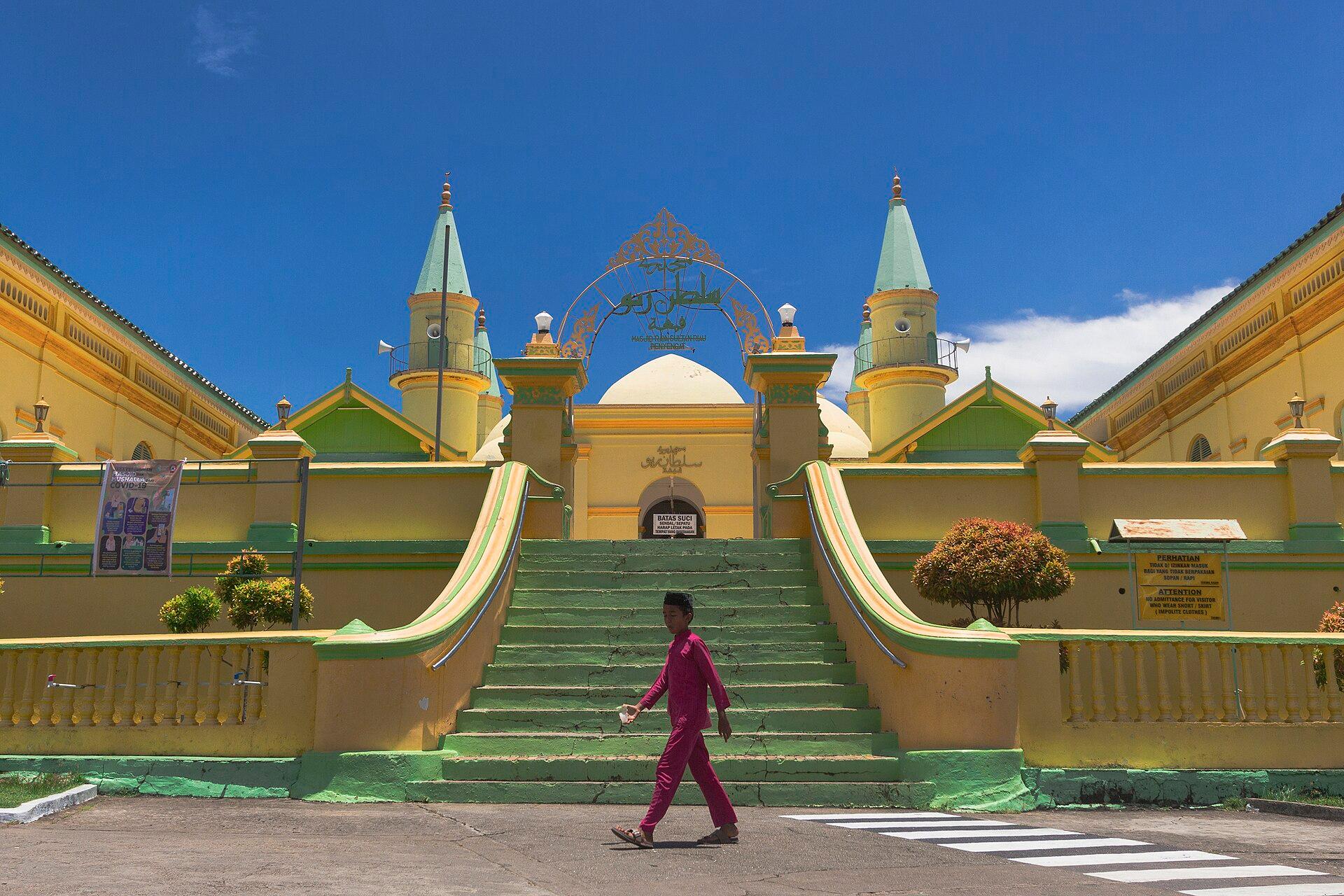
For centuries Bintan occupied a key position on the trade routes linking China, India and the Malay world. It featured in the orbit of Srivijaya, later the Malacca and Johor-Riau sultanates, and experienced Portuguese, Dutch and British influence. At times it was known for the pirate activity that plagued the straits. After the Anglo-Dutch Treaty of 1824 it came under Dutch control until Indonesian independence. This long history left a layered cultural landscape that is still visible in language, food, architecture and community life.
Tanjung Pinang & the old town
The provincial capital on the southern part of the island offers a more urban and multicultural face of Bintan. Markets, Chinese temples, waterfront streets and everyday local life provide a contrast to the resort zones in the north.
Temples & sacred sites
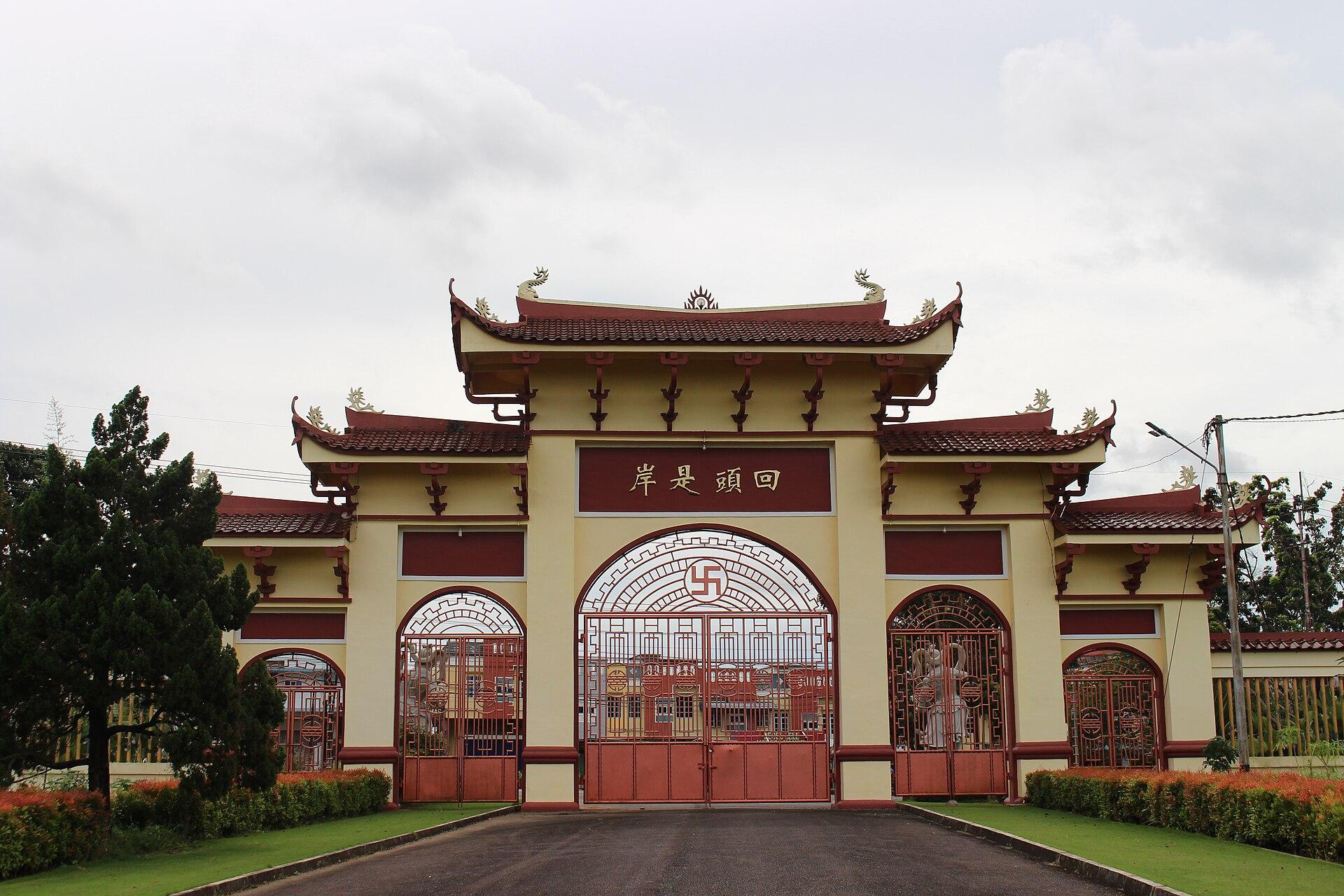
Sites such as the 500 Lohan Temple (Vihara Ksitigarbha Bodhisattva) with its hundreds of life-sized stone statues offer a striking cultural and spiritual experience. Other Chinese and local places of worship reflect the island’s religious diversity.
Living coastal culture
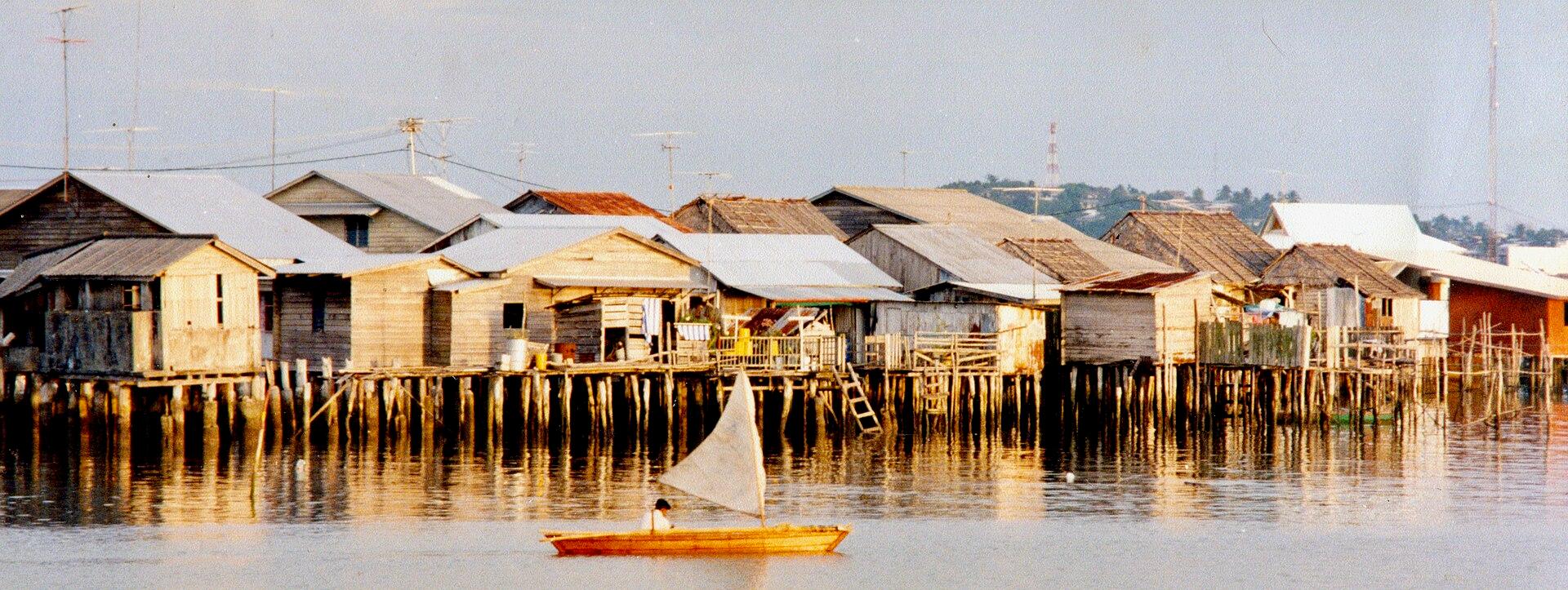
Outside the main tourism areas, fishing villages and traditional waterfront communities continue everyday maritime life. Stilt houses, fishing boats, local markets and the rhythms of the tide remain central. Encounters with Orang Laut (sea people) communities and Malay cultural expressions connect visitors to the island’s deeper heritage. These experiences are often more informal and authentic than staged cultural shows.
Ways to engage with local culture
- Explore Tanjung Pinang’s markets, temples and waterfront
- Visit the 500 Lohan Temple and other sacred sites
- Spend time in fishing villages and traditional coastal communities
- Join a local market or food-focused walk
- Attend cultural performances when available
- Learn about the island’s role in regional maritime history
Bintan’s culture is not a museum piece. It is lived daily in the language, the food, the boats and the communities that continue to call the island home. Taking time to step beyond the resort perimeter is one of the most rewarding ways to understand the place.